· The Bloomfield Team
Your Shop Floor Data Is Going to Waste
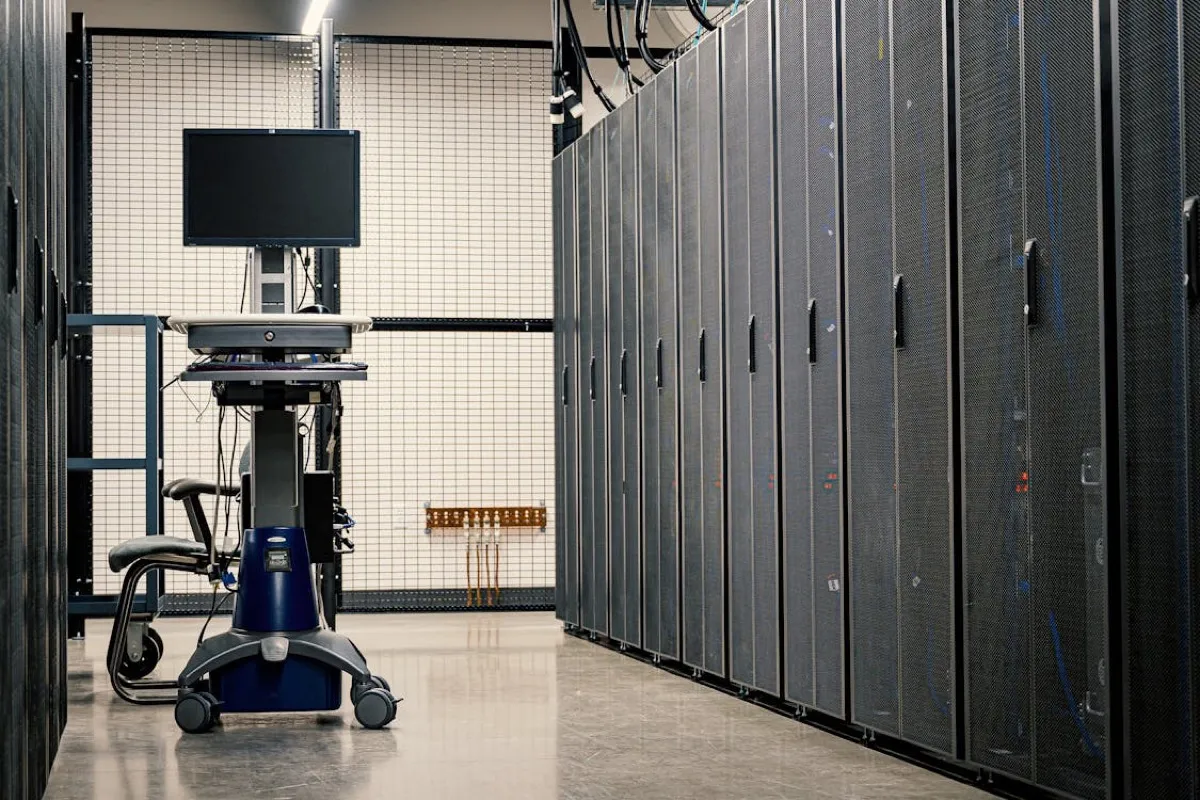
A McKinsey study found that manufacturing generates more data per year than any other sector of the economy. The average mid-size operation collects roughly 1.9 terabytes of production data annually from ERP entries, machine logs, quality records, and job travelers. Less than 5% of that data is ever analyzed or used for any decision. The rest accumulates in databases, file servers, and spreadsheets where nobody looks at it.
That 95% gap represents thousands of past decisions, documented outcomes, and operational patterns that could inform every quote, every schedule, and every capacity plan your team builds today.
The Data Gap
1.9 TB
average annual production data per mid-size manufacturer
< 5%
of that data used for any decision-making
Where the Data Lives
The problem starts with fragmentation. Walk through a typical 40-person shop and you will find production data scattered across at least six separate systems that were never designed to communicate.
The ERP holds job records, work orders, and some cost data. A separate spreadsheet on the estimator's desktop tracks quoting history and win rates. The quality department maintains inspection records in a different database or in paper binders organized by customer. Machine monitoring data, if it exists, streams into a vendor-specific dashboard that nobody outside maintenance checks regularly. Supplier pricing lives in email inboxes. And the most valuable data of all, the accumulated knowledge of your machinists and engineers about what works and what fails on specific geometries, lives in their heads.
Each system serves its original purpose adequately. The value that disappears is the value that could emerge from connecting them, from asking questions that span across ERP data, quality records, and floor experience simultaneously.
The Five Categories of Wasted Data
Historical job costs. Every completed job contains a record of what was quoted, what was actually spent on material and labor, and what the margin turned out to be. Most shops have years of this data locked inside their ERP. Almost none of them use it systematically when building new quotes. The estimator relies on memory and a few reference jobs instead of querying five years of comparable work.
Machine performance records. Cycle times, setup times, utilization rates, and downtime events are recorded in some form at most operations. That data sits in spreadsheets or monitoring systems and gets reviewed reactively when something breaks. Proactive use of the same data for capacity planning, scheduling accuracy, and OEE improvement requires a visibility layer that most shops have never built.
Quality and inspection data. Nonconformance reports, first article inspections, and customer returns contain detailed information about which processes, materials, and geometries produce problems. This data could directly inform quoting risk adjustments and setup planning. In most operations, it lives in a separate system and gets consulted only when a specific customer complaint triggers a review.
Supplier pricing history. Material costs fluctuate. Most shops re-quote material prices on every job by calling or emailing suppliers. A structured record of every material purchase, including prices, lead times, and supplier reliability, would allow purchasing decisions to be data-driven rather than relationship-driven.
Tribal knowledge. The setup notes a senior machinist keeps in a notebook. The workaround an operator developed for a recurring fixturing problem. The fact that a specific customer always revises drawings after the first article. This knowledge has enormous operational value and is the most fragile data in any manufacturing business because it leaves when the person who holds it leaves.
Where Production Data Sits
What Connected Data Actually Enables
When a new RFQ arrives for a stainless steel housing with tight flatness tolerances, the system pulls every job from the past five years with similar geometry, material, and tolerance requirements. The estimator sees what was quoted, what the actual costs turned out to be, which machines ran the work, and whether any quality issues arose. That context turns a two-hour research process into a fifteen-minute review.
When the scheduler assigns a job to a CNC cell, historical setup times for that machine and operator combination inform the plan instead of a generic estimate from a routing table that was last updated in 2019.
When a senior machinist retires, the setup notes and process decisions they documented over a career remain searchable and connected to the specific part numbers and operations where they apply. The knowledge stays with the operation, available to whoever runs that job next. That is what a knowledge management system built for manufacturers delivers.
Starting Without a Major IT Project
The path forward does not require replacing your ERP or hiring a data science team. It starts with connecting the data sources you already have to a system that can structure and surface them at the moment of decision.
Most manufacturers can begin by exporting job history from their ERP, organizing quoting records into a consistent format, and identifying the three or four most common decisions where historical data would change the outcome. Quoting, scheduling, and quality planning are the three areas where the return on connected data shows up first.
The data is already there. It has been accumulating for years. The operational advantage goes to the shops that start using it.
Related Field Notes
Find out what your data is worth
We will map your existing data sources and show you which operational decisions they can improve first.
Book a Call →